Stress Testing Myths: The Blunt Truth About Simulated Market Drawdowns
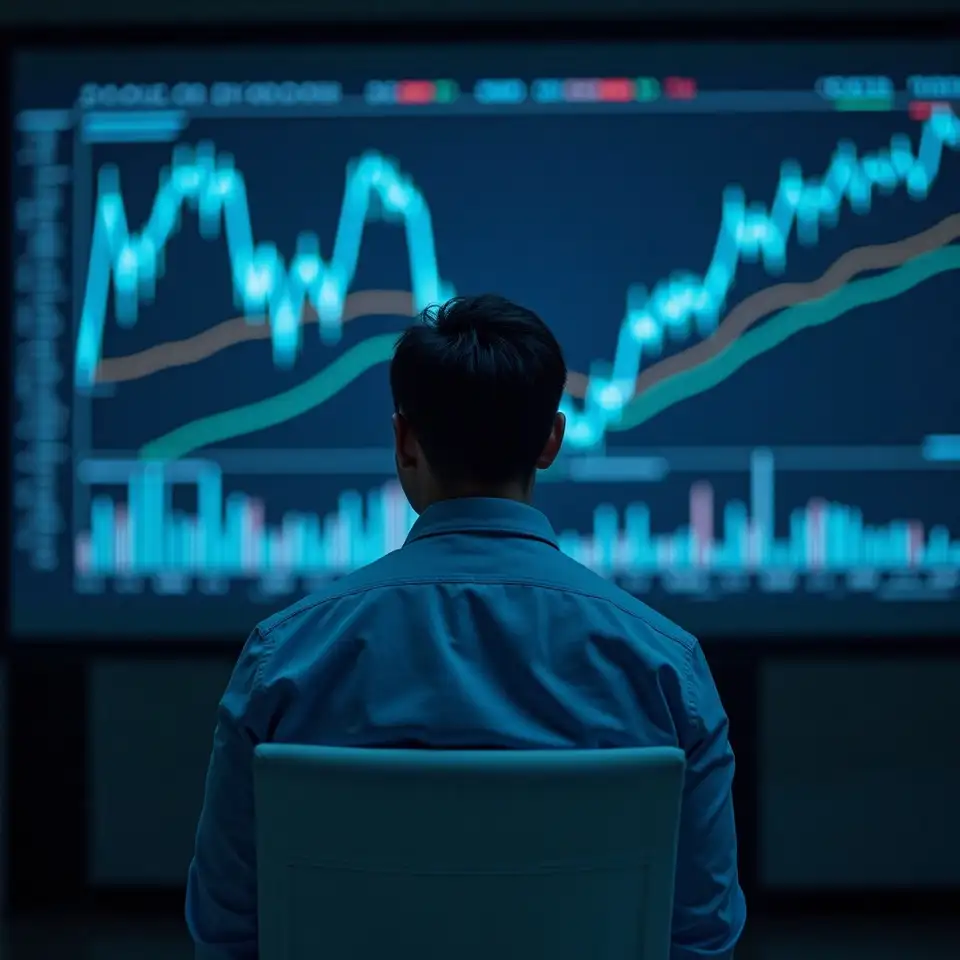
Stress Testing: Exposing the Limits and Pitfalls
Forty percent of portfolios tested in standard stress simulations underestimate real-world drawdowns. The myth? That stress testing captures every threat. Reality is less comforting: simulations are shaped by the assumptions you feed them, and the market has a habit of serving up what you didn’t imagine. For budget-focused planners, the takeaway is simple—don’t trust a stress test that hides its own blind spots.
Scenario selection: optimism in disguise
Stress tests are built on hypothetical scenarios, but if those scenarios are too optimistic or narrow, you’re just validating your own hopes. Simulation results are as strong as their weakest assumption.
Fat tails: the overlooked risk
Common stress tests ignore the fat tails—rare, severe events—because those are hard to model. But when these events do hit, they drive the real cost. Ignoring them isn’t prudent; it’s wishful thinking.
Complexity vs. realism: the technical trade-off
Trade-offs are everywhere. More complex models cost time and resources but may only marginally improve realism. Simplicity might miss key risks, but complexity doesn’t guarantee accuracy.
Transparency: the missing ingredient
Transparency is rare in stress testing. If you can’t see what went into the simulation, assume there’s something you wouldn’t like. Demand disclosure before you trust the numbers.
Checklist: Vetting a Stress Test Like a Pro
Budget-conscious analysts should never accept stress test results at face value. Here are the questions you should ask before acting on any simulation.
Scenario gaps: what’s missing?
What scenarios were included—and what wasn’t? Omitted events can sink a plan.
Sensitivity: is the model brittle?
How sensitive are results to changes in assumptions? If small tweaks shift outcomes drastically, beware hidden instability.
Practical frictions: ignored at your peril
Does the model account for transaction costs and liquidity constraints? Real-world frictions matter most in a crisis.
Transparency: demand the recipe, not just the meal
Is the methodology and data source fully disclosed? If not, treat the results with skepticism.
Beyond Simulation: Turning Stress Testing Into Action
The technical bottom line: stress testing can be a useful tool, but only if wielded with skepticism and a willingness to interrogate every assumption. Don’t accept comfort in place of clarity. When the next downturn comes, wishful thinking won’t protect your budget.
Embracing discomfort: the real edge
Accepting the limits of stress testing is a strength, not a weakness. The best analysts admit what they can’t know and prepare for discomfort, not just the expected scenario.
Signal, not certainty: using results wisely
Stress tests are not predictors—they’re warning signals. Treat them as a prompt to ask more questions, not as a ticket to peace of mind.